

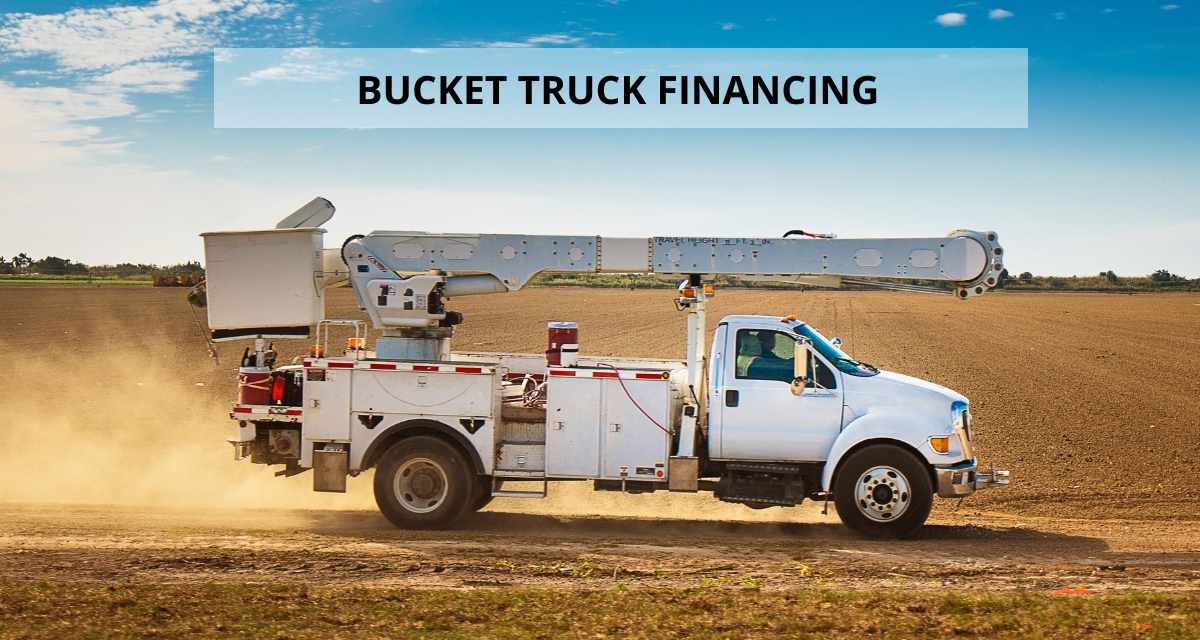
Bucket Truck Financing: Reliable Solutions for Utility & Tree Care Crews
Bucket truck financing splits the cost of a $140,000 insulated unit into a monthly payment sized to what the truck can bring in, not what’s sitting in the bank right now. A 55 foot insulated model runs that price new and about $85,000 used, and a 75 foot material handler starts near $170,000 new, per The Upfit Insider’s bucket truck pricing guide.
Pay cash for one instead, and the truck usually sits on a wish list while a storm restoration contract, or a backlog of tree removal jobs, waits for it.
Dimension Funding finances bucket trucks and other utility and tree care vehicles for businesses across the U.S., from a single replacement unit to a full crew build out. Purchases up to $500,000 can be approved from the credit application alone, and financing runs as high as $10 million or more for larger fleet builds.
Sign electronically and funding can go through within a day or two, so a truck already lined up for a scheduled job doesn’t sit on the lot waiting on approval.
What Bucket Truck Financing Covers
Bucket truck financing covers two structures: a loan that builds toward ownership of the truck, or a lease that spreads the cost of using it over a fixed period. Either one can apply to insulated units built for electrical utility work, non insulated units for tree care and signage crews, or material handlers built for heavier lifts.
Dimension Funding has financed commercial vehicles since 1978, long enough for its underwriting to account for how utility and tree care crews buy in practice. Not on a fixed replacement schedule, but when a contract lands, storm season approaches, or an aging unit finally fails its annual dielectric test.
Loans vs Leases for Bucket Trucks: What Changes
Same monthly payment, different truck at the end of it. A loan finances the purchase, so you own the bucket truck once the term is paid off. Lease the same truck instead, and ownership isn’t part of the deal unless you buy the unit separately once the term is up.
Crestmont Capital’s equipment finance data puts loans at 44 percent of transactions nationally and leases at 38 percent, with lines of credit and sale leaseback arrangements splitting the rest.
Loan | Lease | |
Ownership | Yes, once paid off | Not automatic |
End of term | Truck owned outright | Return, buy out, or upgrade |
Best fit | Trucks run for years | Trucks likely to be upgraded |
Payment basis | Reflects the full purchase price | Reflects the value used during the term |
How a Bucket Truck Loan Works
The lender covers the purchase price of the truck. You repay it in fixed monthly installments, and the truck is yours from the day the loan closes, subject to the lender’s lien until it’s paid off. Once the last payment clears, it’s simply yours, free to keep running calls or sell once you move up to a taller boom.
How a Bucket Truck Lease Works
A lease prices your payment against how much value the truck loses over the lease term, not its full purchase price. That’s why a lease payment often comes in lower than a loan payment on the same unit.
At the end of the term, you return the truck, buy it at a price set when the lease began, or move into a newer model. A utility contractor running the same 55 foot unit for a decade has different priorities than a telecom crew that upgrades boom height every few years as job specs change.
Why Bucket Truck Prices Push Crews Toward Structured Payments
What Different Bucket Truck Classes Cost
Boom height moves the price more than the chassis it’s mounted on. A 40 foot non insulated unit, the entry point before insulation and extra reach push the number higher, runs $85,000 new and $50,000 used, per The Upfit Insider’s pricing breakdown.
$170,000 is roughly the starting point for a 75 foot material handler new, with used units closer to $110,000, and a track mounted unit built for soft ground access can run $200,000 or more.
Each additional 10 feet of reach adds roughly $15,000 to $20,000 to the price, and hybrid PTOs or added hydraulic tool circuits add another $5,000 to $8,000 on top, according to the same source.
Demand for Aerial Units Keeps Climbing
Global Market Insights projects the global forestry equipment market, which includes the bucket trucks tree care crews rely on, to reach $17 billion by 2026, a figure cited by Custom Truck One Source.
Crestmont Capital’s utility truck financing guide puts federal broadband infrastructure investment at $65 billion, adding to that pressure on the utility and telecom side and pushing more line crews and cable contractors to add aerial units instead of renting them by the week.
What Shapes the Monthly Payment
Boom Height and Term Length
Go taller on the boom or shorter on the term, and your monthly payment climbs faster than you’d expect. Stretch the term out and the payment drops, but you could end up paying on a truck well past the years it’s realistically productive on the job.
Dimension Funding caps terms at 60 months, which usually lines up with how long a bucket truck holds up under regular annual inspection before major boom or hydraulic work costs more than the truck is worth.
New Condition vs Used Condition
New units support longer terms since there’s more working life ahead of them. Choose a used truck instead, especially one with heavy prior boom cycles, and your term shortens to match. The hours logged on the hydraulic system and the results of the last dielectric test matter as much as the model year.
Approval Requirements for Bucket Truck Financing
Application Only Thresholds
Most equipment lenders separate vehicle financing into tiers by dollar amount, and Dimension Funding follows that structure. You can move purchases up to $500,000 on the credit application alone, with no financial statements required.
Above that threshold, underwriting typically asks for recent tax returns and basic financials, and larger crew or fleet build outs can run past that point toward $10 million or more for established contractors.
Credit Profile and Documentation
A bank turning you down for a term loan doesn’t rule out bucket truck financing, since equipment lenders underwrite the truck almost as much as the business behind it. Crestmont Capital’s bucket truck financing data puts minimum credit around 550, with 650 or higher considered strong, and minimum annual revenue typically between $100,000 and $250,000.
Two or more years in business is preferred, though a strong contract backlog or established municipal work can offset a shorter track record.
Matching the Structure to How the Truck Will Be Used
The right structure usually comes down to how the truck fits your work, not which option looks cheaper on the quote. Buying a truck for one storm season has different math behind it than adding a permanent unit to your fleet. Usage, replacement habits, and resale plans tend to settle it:
- Utilization matters most. A truck running daily service calls or line work usually points toward a loan.
- Replacement habits vary by crew. Some run the same unit for a decade, others upgrade boom height or insulation rating as contracts change.
- Resale only matters if you plan to own the truck outright. Otherwise, having a working unit on the lot is enough.
A loan tends to fit if the same truck runs daily calls for years. Contracts that shift in scope, or a crew expecting to move up in boom height as bigger jobs come in, point toward a lease instead. Even a mismatched choice rarely does real damage. You end up paying for flexibility you didn’t need, or owning a truck you’d rather have traded in for something newer.
Building a Bucket Truck Payment Around the Job, Not the Sticker Price
Parked at the yard, a bucket truck isn’t earning you anything, no matter how good the deal was. The sooner it’s on a job site running calls, the sooner the payment stops looking like overhead and starts looking like the reason you could take the contract at all.
Dimension Funding can walk through what a loan or a lease would look like for your specific truck and timeline before any paperwork gets signed. It’s worth a conversation before locking into either structure.
Frequently Asked Questions
Can I finance a used bucket truck, or only new units?
Most equipment lenders finance new and used bucket trucks side by side. A used unit typically gets a shorter term than a new one, since there’s less working life left on the boom and hydraulics to finance, but the purchase itself isn’t treated as a lesser option.
What credit score do I need for bucket truck financing?
No specific credit score guarantees approval, since lenders weigh your business history and contract backlog alongside your personal credit rather than applying a hard cutoff. Dimension Funding works with credit profiles across a wide range, from strong to marginal, rather than screening you out below a fixed number.
How long are typical bucket truck loan or lease terms?
Terms commonly run up to 60 months. The actual length depends on the truck’s boom height and condition, whether it’s new or used, and how long you plan to keep it in service.
Is leasing better than buying for a crew that upgrades boom height often?
Leasing fits better if you expect to upgrade equipment, since you’re not stuck holding an outdated unit once a bigger job calls for more reach. A loan makes more sense if the truck keeps doing the same work at the same boom height for years.
Does insulation testing or upfit work get financed along with the truck?
Yes, most equipment lenders roll upfit costs like insulation, hydraulic tool circuits, or hybrid PTOs into the same financed amount as the truck itself. That way the payment reflects the full working unit, not the base chassis price alone.
What happens at the end of a bucket truck lease?
At the end of a bucket truck lease, you can buy the truck at the price set when the lease began, return it, or roll into a newer model. A unit with years of working life left typically gets bought out, while one that a taller or newer boom would outperform is more often returned or upgraded.
How fast can bucket truck financing be approved?
Approval can come back within a few hours on purchases up to $500,000 when you handle the application and documents electronically. Funding typically follows within a day or two once the paperwork clears, which matters most when you need the truck for a storm response contract or a job that’s already scheduled.