Working Capital Loans for Manufacturers: When to Use Bridge Financing

working capital loan

Working Capital Loans for Manufacturers: When to Use Bridge Financing

Manufacturing runs on timing — and timing gaps can be brutal. You’ve won the contract, sourced the materials, and scheduled production, but the cash to fund it all hasn’t arrived yet. Bridge financing exists precisely for this moment, giving manufacturers the short-term capital needed to keep operations moving without waiting on receivables or draining reserves.

Dimension Funding has been helping small and medium-sized businesses manage exactly these situations for over 40 years, offering fast, flexible working capital loans designed for the realities of manufacturing cash flow. This guide explains what bridge financing is, when it makes sense, and how to use it strategically.

What Is Bridge Financing for Manufacturers?

Bridge financing is a short-term working capital loan used to cover a defined cash flow gap until a predictable source of funds arrives — a large receivable, a contract payment, or seasonal revenue. It’s a timing tool, not a long-term lending solution, designed to keep operations running while money that’s already earned makes its way to your account.

For manufacturers dealing with 60 to 120-day payment cycles, large upfront material costs, or sudden contract opportunities, bridge financing can mean the difference between seizing an opportunity and watching it pass.

How It Differs From a Line of Credit

Many manufacturers compare bridge financing to a business line of credit. The key differences come down to structure and purpose.


Bridge Loan

Line of Credit

Structure

Lump sum

Revolving

Duration

Short-term

Ongoing

Best for

Defined cash gap

Continuous needs

Cost

Typically higher

Typically lower

A line of credit works well for ongoing, recurring needs. Bridge financing is better suited for specific, time-bound events where you need capital quickly and have a clear exit strategy for repaying it.

When Bridge Financing Makes Sense

Bridge financing is most effective when there’s a defined reason for the cash gap and a clear path to repayment. The Federal Reserve’s Small Business Credit Survey consistently shows that uneven cash flow and operating expenses are among the top financial challenges small and mid-sized businesses face — and manufacturers are no exception.

Real Manufacturing Scenarios That Justify Bridge Financing

  • A contract manufacturer wins a large order but needs raw materials upfront before production begins
  • A fabricator is waiting 90 days on a receivable while payroll is due next week
  • A supplier needs to build inventory ahead of a seasonal demand spike
  • An OEM producer must replace critical equipment immediately to avoid production delays

These aren’t signs of a struggling business — they’re signs of a growing one dealing with the timing realities of manufacturing.

When NOT to Use Bridge Financing

Bridge financing works best as a short-term solution for a specific event, not as a fix for ongoing cash flow problems. If your business consistently struggles to cover operating expenses, a short-term loan addresses the symptom without resolving the underlying issue.

For asset purchases, equipment financing is almost always more cost-effective. For chronic working capital needs, a line of credit or SBA-backed program may offer better long-term terms.

Knowing Your Exit Strategy

Before taking on bridge financing, have a clear answer to one question: what pays this back? If the answer is a specific receivable, a contract milestone, or incoming seasonal revenue, bridge financing is a sound tool.

If the answer is unclear, it’s worth pausing and exploring other options before committing to a short-term loan.

Qualification & Approval Requirements

Dimension Funding’s working capital loans range from $25,000 to $250,000, with flexible terms up to 24 months. Repayment can be structured daily, weekly, or monthly — allowing manufacturers to align payments with their cash flow patterns rather than a rigid schedule.

To qualify, businesses generally need annual revenue above $150,000 and at least 51% ownership. Loan requests under $50,000 require three months of bank statements, while requests of $50,000 and above require six months.

How Fast Can Manufacturers Get Funded?

Speed matters in manufacturing cash crunches. Dimension Funding funds working capital loans within 72 hours of receiving a completed application and bank statements — often faster.

For manufacturers facing urgent supplier demands, payroll deadlines, or contract start dates, this timeline is far more practical than the weeks a traditional bank loan typically requires.

How Bridge Financing Compares to Other Options

SBA 7(a) loans offer government-backed working capital with favorable terms but require longer processing timelines and more documentation. The SBA’s 7(a) Working Capital Pilot program allows borrowing against accounts receivable — useful for manufacturers with strong receivables but slow collections.

For a full overview of federal loan programs available to small manufacturers, the SBA’s central loans page outlines every major option from 7(a) and 504 loans to microloans.

Factoring and Asset-Based Lending

Accounts receivable factoring involves selling your receivables at a discount for immediate cash — fast, but costly and often disruptive to customer relationships. Asset-based lending uses inventory or equipment as collateral for a revolving credit line, which is more complex and costly to set up.

For most small and mid-sized manufacturers dealing with a defined, short-term gap, a working capital loan is the faster and more straightforward path.

Bridge Financing vs. Invoice Factoring: A Direct Comparison

Two options manufacturers frequently compare are bridge financing and invoice factoring. While both solve short-term cash flow problems, they work very differently and carry different costs and trade-offs. Understanding which tool fits your situation can save you significant money and operational headaches.

Invoice factoring involves selling your outstanding invoices to a third party at a discount — typically 70% to 90% of face value — in exchange for immediate cash. The factoring company then collects directly from your customers, which can affect those relationships.

Side-by-Side Comparison


Bridge Financing

Invoice Factoring

How it works

Lump sum loan

Sell receivables at a discount

Repayment

Fixed schedule

Collected by factor from your customers

Customer impact

None

Factor contacts your customers directly

Cost

Fixed interest rate

Discount fee (1%–5% per month)

Best for

Defined short-term gap

Ongoing receivables management

For manufacturers who value customer relationships and want predictable repayment terms, bridge financing through a working capital loan is typically the cleaner and more cost-effective option.

Bridge Financing Is a Strategic Tool, Not a Red Flag

One of the most common hesitations manufacturers have is that seeking bridge financing signals financial trouble. It doesn’t. According to the OECD’s Financing SMEs and Entrepreneurs Scoreboard, short-term credit and working capital financing are among the most commonly used tools by growing businesses globally.

Production cycles, long payment terms, and large upfront costs are structural features of manufacturing — not signs of poor management. Using bridge financing to smooth those timing gaps is a deliberate, strategic choice that protects operations and keeps opportunities from slipping away.

Keep Your Production Line Moving

Cash flow gaps are an inevitable part of manufacturing — but they don’t have to slow you down. Whether you’re covering payroll while waiting on a receivable, funding materials for a new contract, or managing a seasonal inventory build, Dimension Funding has the working capital solutions to keep your business moving.

Contact the team for a free, no-obligation consultation, or submit a financing application online to get started in minutes — a financing expert will walk you through your options and help you find the structure that best fits your business.

Frequently Asked Questions

What is bridge financing and how does it work for manufacturers? 

Bridge financing is a short-term working capital loan designed to cover a defined cash flow gap until expected funds arrive — such as a receivable payment or contract milestone. Manufacturers use it to fund materials, cover payroll, or manage production cycle timing gaps without draining reserves.

How much can I borrow with a working capital loan from Dimension Funding? 

Working capital loans range from $25,000 to $250,000 with terms up to 24 months. Repayment can be structured daily, weekly, or monthly depending on your cash flow patterns.

How fast can I get funded? 

Dimension Funding funds working capital loans within 72 hours of receiving a completed application and bank statements. For urgent manufacturing cash needs, this is significantly faster than traditional bank financing.

What do I need to qualify? 

You’ll need annual revenue above $150,000 and at least 51% business ownership. Loan requests under $50,000 require three months of bank statements, while requests of $50,000 and above require six months. A one-page application is all that’s needed to get started.

How is bridge financing different from a line of credit? 

A bridge loan provides a lump sum for a specific, short-term event with a clear repayment source. A line of credit is revolving and better suited for ongoing, recurring cash needs. Bridge financing is typically more accessible for event-driven situations but comes at a higher cost.

When should I avoid bridge financing? 

Bridge financing is not ideal for chronic cash flow problems without a clear repayment path. If your business consistently struggles to cover operating expenses, a longer-term solution — such as an SBA loan or equipment financing — may be more appropriate.

Is bridge financing only for struggling businesses? 

Not at all. Bridge financing is a strategic tool used by growing manufacturers dealing with the natural timing mismatches of production cycles, long receivable terms, and large upfront costs. It’s a sign of smart cash flow management, not financial distress.

If you want to upgrade your tasting room or winery equipment, financing from Dimension can help. Turn a large, upfront cost into monthly payments over the lifetime of the equipment. Financing winery equipment can expand your business while maintaining your cash flow. 

Material Handling Equipment Financing: Forklifts & Warehouse Systems

material handling financing

Material Handling Equipment Financing: Forklifts & Warehouse Systems

Warehouses don’t make money standing still. When throughput slows because equipment is aging, undersized, or simply absent, the cost shows up immediately in labor hours, fulfillment delays, and contract risk. Dimension Funding has been structuring financing for warehouse and logistics operations for over 40 years, covering everything from a single replacement forklift to full-scale automation buildouts across the United States.

This guide is written specifically for warehouse operators, 3PL companies, e-commerce fulfillment centers, and logistics businesses evaluating equipment and automation financing in 2026.

What Material Handling Equipment Can Be Financed?

The full scope of what a modern warehouse or distribution center requires is financeable through Dimension Funding: lift trucks, reach trucks, order pickers, pallet jacks, side loaders, platform trucks, cranes, hoists, conveyors, sortation systems, automated storage and retrieval systems (AS/RS), warehouse management system (WMS) software, racking and shelving infrastructure, and packaging and processing equipment.

Both new and used units qualify. All associated project costs, including delivery, installation, systems integration, and maintenance agreements, can be bundled into the financing so your monthly payment reflects the actual cost of putting the equipment to work, not just the sticker price.

Financing Forklifts: Fleet, Used, and Specialty Units

Forklifts sit at the center of most material handling financing conversations, and the considerations are more nuanced than they appear.

Fleet purchases can be consolidated under a single financing agreement, which eliminates the administrative burden of managing multiple contracts and simplifies budgeting across a facility. This matters particularly for 3PL operators and large fulfillment centers that need to equip multiple docks or shift configurations simultaneously.

Propane vs. Electric: A Financing Consideration

Propane vs. electric is a genuine financing consideration, not just an operational one. Electric forklifts carry a higher upfront cost but lower operating expenses over time. Some financing structures allow the energy savings to offset a portion of the monthly payment math, making the total cost of ownership calculation more favorable than the sticker price suggests. Propane units typically finance at lower dollar amounts and shorter terms.

Used and Refurbished Forklifts

Used and refurbished forklifts are fully eligible and represent one of the better financing opportunities in the material handling category. The secondary market for counterbalance and reach trucks is active and well-documented, which supports strong residual values and gives lenders confidence in the collateral.

Warehouse Automation and Integrated Systems

According to the Equipment Leasing & Finance Foundation, material handling has remained one of the strongest and most active segments of the equipment finance market, with lender appetite for warehouse and automation deals holding steady through 2025 and into 2026.

Automation investment in U.S. warehouses has accelerated significantly, driven by e-commerce growth, labor cost pressures, and the operational requirements of same-day and next-day fulfillment expectations. Projects that once involved buying a few forklifts now routinely include conveyor networks, AS/RS installations, autonomous mobile robots (AMRs), goods-to-person systems, and the WMS software that coordinates all of it.

Financing a Multi-Component Automation Project

These projects present a specific financing challenge: the total cost spans physical equipment, software, third-party implementation vendors, and infrastructure modifications, often contracted across multiple invoices. 

Dimension Funding can finance all of it under a single agreement, consolidating hardware, software, installation, and vendor costs into one fixed monthly payment. For a warehouse operator managing a $400,000 automation upgrade, the difference between financing it as a unified project versus piecing together multiple credit facilities is meaningful both administratively and financially.

Lease vs. Finance Agreement: The Material Handling Calculus

The technology obsolescence question is more pressing in material handling than in almost any other equipment category. A racking system installed today will likely still be useful in fifteen years. A goods-to-person robotics system may look significantly different by the time a seven-year term ends.

That asymmetry shapes the lease vs. buy decision. For long-lived infrastructure — including racking, shelving, cranes, and conveyors — a finance agreement is usually the right structure. These assets depreciate slowly, hold collateral value well, and are worth owning. For technology-driven automation equipment, an operating lease offers the flexibility to upgrade when the technology moves. For forklift fleets, the calculus depends on utilization intensity and replacement cycle.

Dimension Funding offers both equipment lease financing and finance agreements.

Terms for Material Handling Equipment in 2026

Material handling equipment financing through Dimension Funding is available with terms up to 60 months for most equipment, with larger automation and warehouse system projects potentially eligible for extended terms based on the scope and asset composition of the deal.

Automation projects that include software and integration work are underwritten somewhat differently than a straightforward forklift purchase, and understanding that distinction before you apply helps set accurate expectations.

Seasonal Payment Structures

Warehouse and fulfillment businesses frequently carry uneven revenue across the calendar year. Q4 volume for an e-commerce operator can dwarf the rest of the year, while agricultural logistics businesses may see the inverse. 

Dimension Funding’s working capital products offer daily, weekly, or monthly repayment options, which can be structured around your actual revenue cycle rather than a fixed calendar schedule. This is worth knowing when you’re modeling financing costs against a seasonal cash flow curve.

Equipment Financing vs. Working Capital for Warehouse Purchases

Working capital loans are designed for operational expenses, short-term cash needs, and bridge financing. They are not optimally structured for acquiring warehouse assets.

Equipment financing is secured by the asset itself, which produces longer repayment terms than unsecured working capital lending. Dimension Funding’s working capital loans run from $25,000 to $250,000 with terms up to 24 months. A $300,000 conveyor installation financed as working capital would carry substantially higher monthly payments and total cost than the same project financed as equipment. For any material asset acquisition, equipment financing is the more appropriate and cost-effective instrument.

Qualifying for Material Handling Financing

Warehouse and logistics businesses span a wide range of credit profiles and operating histories, and qualification requirements reflect that range. For newer or smaller operations, application-only financing covers most standard transactions without requiring financial statements. Larger multi-system projects have higher documentation thresholds, though the process through Dimension Funding remains faster and less burdensome than conventional bank lending, which typically requires a blanket lien on all business assets rather than the equipment-specific collateral structure that private lenders use.

Rapidly scaling 3PL operators and e-commerce fulfillment businesses sometimes assume their growth trajectory works against them in a financing application. In practice, strong revenue trends and a clear equipment-to-revenue connection can support approval even when the business history is shorter than ideal.

Get Your Warehouse Operating at Full Capacity

Whether you’re replacing a single aging forklift or financing a full automation overhaul, the structure of the deal has real consequences for your cash flow and operational flexibility. The team at Dimension Funding has spent over four decades working through exactly these decisions with warehouse and logistics businesses of every size.

Reach out to the team to work through your options, learn more about Dimension Funding, or submit a financing application when you’re ready to move forward.

Frequently Asked Questions

Can I finance both new and used forklifts? 

Yes. Dimension Funding finances new, used, and refurbished forklifts across all types, including electric, propane, and high-capacity specialty units. The active secondary market for lift trucks supports strong collateral values on used equipment.

Can I finance an entire warehouse automation project under one agreement? 

Yes. Dimension Funding bundles all project costs, including racking, conveyors, robotics, WMS software, installation, and third-party vendor fees, into a single financing agreement with one fixed monthly payment.

Is leasing or buying better for forklifts? 

It depends on your replacement cycle and utilization intensity. High-hour operations that replace equipment every three to five years often find leasing more cost-effective. Facilities where forklifts remain in service for ten or more years typically benefit from ownership through a finance agreement. Dimension Funding offers both.

How do I choose between a lease and a finance agreement for automation equipment? 

Technology-driven automation systems evolve quickly, which makes the upgrade flexibility of a lease worth considering. For infrastructure assets like racking, cranes, and conveyors that hold value and remain useful for many years, a finance agreement builds equity in assets worth owning long-term.

What is the difference between equipment financing and a working capital loan for warehouse purchases? 

Equipment financing is secured by the asset and carries longer terms than unsecured working capital lending. Working capital loans from Dimension Funding run up to $250,000 with terms up to 24 months, making them appropriate for operational expenses rather than large asset acquisitions.

How fast can I get approved and funded? 

Approvals typically come through within hours of submitting an application, with funding following within 48 hours. Same-day funding is often available. The process runs entirely through DocuSign.

Can a fast-growing fulfillment business or newer 3PL qualify? 

Yes. Strong revenue trends and a clear connection between the equipment and revenue generation can support approval even with a shorter operating history. Dimension Funding evaluates the full picture rather than applying rigid cutoffs.

If you want to upgrade your tasting room or winery equipment, financing from Dimension can help. Turn a large, upfront cost into monthly payments over the lifetime of the equipment. Financing winery equipment can expand your business while maintaining your cash flow. 

Equipment Financing: How to Fund Business Equipment in 2026

equipment financing

Equipment Financing: How to Fund Business Equipment in 2026

Most businesses need equipment to operate — but few have the cash on hand to buy it outright without disrupting everything else. Equipment financing solves that problem by spreading the cost over time, letting you put the equipment to work immediately while keeping your working capital intact.

Dimension Funding has been helping small and medium-sized businesses do exactly that for over 40 years, offering fast, flexible financing for virtually any type of commercial equipment or software across the United States. If you’re trying to understand how it works, what it costs, and whether you qualify, this guide covers it all.

What Is Equipment Financing?

Equipment financing is a funding structure that allows businesses to acquire equipment — new or used — by making fixed monthly payments over a set term rather than paying the full cost upfront. The equipment itself typically serves as collateral, which makes it easier to qualify for than an unsecured business loan.

It’s different from a general business loan in that the financing is tied directly to the asset being purchased. This also means lenders can be more flexible with credit requirements, since the equipment provides security for the financing.

Loan vs. Lease: What’s the Difference?

An equipment loan — sometimes called a finance agreement — means you own the equipment outright once the term ends. A lease, on the other hand, gives you use of the equipment for a set period with the option to purchase, upgrade, or return it at the end. Leases typically come with lower monthly payments but don’t build equity in the asset.

The right structure depends on how long you plan to use the equipment and whether ownership matters to your business. Dimension Funding offers both equipment lease financing and finance agreements so you can choose what fits best.

What Equipment Can Be Financed?

Dimension Funding finances virtually all types of commercial equipment — construction machinery, medical devices, restaurant equipment, IT hardware, brewery equipment, lab equipment, material handling machinery, trucks, golf course equipment, tree service vehicles, recycling equipment, WISP equipment, law firm technology, and more.

Both new and used equipment are eligible, and financing covers 100% of associated costs — including shipping, installation, labor, and maintenance — so there are no surprise expenses outside your fixed monthly payment.

Software and Technology Can Be Financed Too

Equipment financing isn’t limited to physical machinery. Dimension Funding also finances business software, including ERP systems, CRM platforms, HR and accounting software, legal practice management tools, medical EMR and EHR systems, and software renewals. Implementation costs, training, third-party vendors, and hardware can all be bundled into a single monthly payment with terms up to 60 months.

Don’t Overlook Software Subscriptions

Software subscriptions are one of the most overlooked financing opportunities for growing businesses. Annual SaaS renewals, platform subscriptions, and multi-year licensing agreements can create significant budget pressure when they come due all at once. Dimension Funding can finance these costs alongside new software purchases, turning a large lump-sum subscription bill into a predictable monthly payment that’s easier to manage.

Do You Qualify for Equipment Financing?

Qualification requirements for equipment financing are generally more flexible than traditional business loans. Dimension Funding works with most credit types — from Tier A to marginal credit — and accepts most types of businesses across industries.

For application-only financing, no financial statements are required up to $250,000 for equipment and up to $500,000 when software is included. For larger deals up to $750,000, application-only financing is still available. Above that threshold, financial statements are required, though the process remains streamlined.

Working Capital Requirements

For businesses seeking working capital loans alongside equipment financing, some additional requirements apply. Dimension Funding’s working capital loans range from $25,000 to $250,000, with annual revenue above $150,000 required.

Loan requests under $50,000 require three months of bank statements, while requests of $50,000 and above require six months. At least two years in business is preferred for equipment financing, though strong credit can offset a shorter operating history.

Is 2026 a Good Time to Finance Business Equipment?

For most businesses, the answer is yes. Private financing companies have maintained strong approval rates and flexible terms even as broader credit conditions have shifted. The SBA’s loan programs — including the 7(a) and CDC/504 — continue to offer government-backed options for businesses that want longer repayment schedules or need additional support qualifying.

Financing also comes with a significant tax advantage. Under IRS Section 179, businesses can deduct up to $2,500,000 of qualifying equipment purchases in the year they’re made, with a spending cap of $4,000,000 before the deduction begins to phase out. This makes 2026 a particularly strategic time to finance equipment rather than delay the purchase.

Zero Percent Financing: What Vendors Are Offering

Zero percent financing is an increasingly popular option in the vendor space, particularly among software providers looking to remove the cost barrier for their customers. When a vendor offers zero percent financing, they absorb the financing cost as a sales tool — meaning the buyer pays no more than the purchase price, spread over a set term. 

For businesses evaluating software or equipment vendors, it’s worth asking whether a zero percent program is available, as it can significantly reduce the total cost of acquisition.

Inflation and Cash Flow Strategy

Financing equipment in an inflationary environment means locking in a fixed monthly payment today rather than paying more for the same equipment next year. It also preserves working capital — cash that can be directed toward payroll, inventory, or other operational needs instead of a large upfront equipment purchase.

Government-Backed and Alternative Funding Options

Beyond private financing, businesses have several additional avenues worth knowing about. The U.S. government’s small business funding guide outlines various financing methods available to business owners, including loans, leases, and other capital resources. Federal grants — listed through Grants.gov — represent a separate category of funding that doesn’t require repayment, though most are not specifically designated for equipment purchases.

For businesses exploring SBA financing, government analysis of the SBA 7(a) program explains how federal loan guarantees reduce lender risk and make financing more accessible to small businesses — including for capital equipment acquisitions.

When to Consider Government Programs vs. Private Financing

Government-backed programs often offer favorable terms but come with longer processing timelines and stricter eligibility requirements. Private financing through Dimension Funding funds deals within 48 hours — often the same day — making it the faster and more flexible option for most businesses with time-sensitive equipment needs.

Common Mistakes to Avoid

Equipment financing is straightforward when approached carefully, but there are pitfalls worth knowing before you sign. Prepayment penalties, early termination fees, and balloon payments can all add unexpected cost if you’re not reading the fine print. Overfinancing — taking a longer term than the equipment’s useful life — means you may still be making payments after the machine has lost most of its value.

Always ask your financing partner directly about prepayment terms and make sure all bundled costs are clearly itemized in your agreement before signing.

Equipment Financing Is Simpler Than You Think

Whether you’re a restaurant owner upgrading your kitchen, a contractor adding trucks, or a medical practice implementing new software, equipment financing gives you a straightforward path to get what your business needs without draining your cash reserves. The team at Dimension Funding has spent over four decades helping businesses across every industry find the right financing structure for their situation.

If you’re ready to explore your options, reach out to the team for a no-pressure conversation, or learn more about Dimension Funding before taking the next step. When you’re ready to move forward, you can submit a financing application online in just a few minutes.

Frequently Asked Questions

What is the difference between equipment financing and an equipment lease? 

Equipment financing — or a finance agreement — means you own the equipment at the end of the term. A lease gives you use of the equipment for a set period with options to buy, upgrade, or return it. Leases typically carry lower monthly payments but don’t build ownership equity in the asset.

Can startups or newer businesses qualify for equipment financing? 

It depends on the credit profile. While at least two years in business is preferred, businesses with strong personal or business credit may still qualify. Dimension Funding works with most credit types, so it’s always worth submitting an application to find out what options are available.

How much can I finance without providing financial statements? 

Through Dimension Funding’s application-only financing, you can qualify for up to $250,000 for equipment and up to $500,000 when software is included — all without providing financial statements. Deals up to $750,000 may also qualify with minimal documentation.

Can I finance both equipment and software under one agreement? 

Yes. Dimension Funding finances both physical equipment and business software, including implementation costs, training, and third-party vendors — all bundled into one fixed monthly payment.

Can software subscriptions and renewals be financed? 

Yes. Dimension Funding can finance annual SaaS renewals, platform subscriptions, and multi-year licensing agreements, turning a large upfront subscription cost into a manageable monthly payment. This applies to both standalone subscription renewals and new software purchases.

How long does the approval and funding process take? 

Approvals typically come through within a few hours of submitting an application. Funding usually follows within 48 hours, and same-day funding is often possible. The entire process is handled electronically through DocuSign, so there are no delays from paperwork.

What should I watch out for when signing an equipment financing agreement? 

Pay close attention to prepayment penalties, early termination fees, and balloon payments. Make sure all costs — including shipping, installation, and maintenance — are clearly itemized. Avoid financing equipment over a term that outlasts its useful life, as you could end up making payments on a machine that’s no longer generating value for your business.

If you want to upgrade your tasting room or winery equipment, financing from Dimension can help. Turn a large, upfront cost into monthly payments over the lifetime of the equipment. Financing winery equipment can expand your business while maintaining your cash flow. 

Heavy Equipment Financing in 2026: Terms, Approval & What to Expect

heavy equipment financing

Heavy Equipment Financing in 2026: Terms, Approval & What to Expect

Heavy equipment is one of the biggest investments a business can make — and how you finance it can be just as important as which machine you choose. Dimension Funding has been helping small and medium-sized businesses navigate that decision for over 40 years, offering fast, no-hassle financing for nearly every type of heavy and commercial equipment across the United States.

This guide covers everything you need to know about heavy equipment financing in 2026 — from term structures to the approval process, lease vs. buy considerations, and common pitfalls to avoid. If you’re evaluating your options and want to make a confident, informed decision, this is the place to start.

The 2026 Heavy Equipment Financing Landscape

The equipment finance market remains one of the most active segments of commercial lending. According to the Equipment Leasing & Finance Foundation, equipment financing and leasing supports businesses of all sizes across virtually every sector of the economy.

For businesses evaluating their options in 2026, the market offers more flexibility than many expect — especially through private financing companies that operate outside the traditional banking system.

What Affects Your Financing Terms

Several variables interact to determine your final financing terms:

Equipment age. New equipment qualifies for better terms than used because it carries a longer remaining useful life and stronger collateral value. Used equipment is still widely financed, but lenders price in the additional depreciation risk.

Equipment type. Yellow iron, over-the-road trucks, and agricultural machinery tend to have active secondary markets, which supports favorable financing terms. Specialty or single-use equipment with limited resale demand may carry different terms due to reduced collateral liquidity.

Term length. Shorter terms reduce total financing cost. Longer terms lower the monthly payment but increase overall financing expense. Dimension Funding offers terms up to 84 months for most heavy equipment, giving borrowers room to align repayment with the actual revenue the machine generates.

Down payment. Dimension Funding offers 100% financing with no down payment required in most cases. When a borrower chooses to put money down, it reduces the lender’s loan-to-value exposure and can improve terms accordingly.

Credit, Equipment Age & Down Payment

Lenders view businesses with at least two years of operating history as lower risk. New equipment typically qualifies for better terms than used since it holds its value longer. A larger down payment reduces the lender’s exposure and can improve your terms.

That said, Dimension Funding works with most credit types — from Tier A to marginal credit — and offers 100% financing, meaning no down payment is required in most cases.

Term Options & How to Choose

Heavy equipment financing terms through Dimension Funding are available up to 84 months in most cases. Longer terms lower your monthly payment and help with cash flow. Shorter terms reduce total financing cost. The right choice depends on your cash flow needs and how long the equipment will actively generate revenue.

Bundling All Costs Into One Payment

Dimension Funding allows you to bundle associated costs — shipping, installation, labor, and maintenance — into a single monthly payment. This eliminates surprise invoices and makes budgeting straightforward.

Financing over the lifetime of the equipment ensures your payments stay aligned with the value the machine is delivering to your business. It also means you can move quickly when an opportunity arises, without waiting to accumulate enough cash to cover every associated expense upfront.

Leasing vs. Buying: Which Makes More Sense?

Buying through a finance agreement means you own the equipment at the end of the term. Leasing typically offers lower monthly payments and more flexibility to upgrade. Both paths have meaningful tax implications worth factoring into your decision.

The Section 179 Advantage

Under IRS Section 179, businesses that finance or purchase qualifying equipment can deduct up to $2,500,000 in the year of purchase. The 2025/2026 spending cap sits at $4,000,000 before the deduction begins to phase out — making financed ownership a highly tax-efficient path for businesses that qualify. Dimension Funding offers both equipment lease financing and finance agreements so you can choose the structure that fits your business model.

How the Approval Process Works

Getting approved for heavy equipment financing through Dimension Funding is fast and straightforward. The process starts with a quick online equipment financing application — no lengthy paperwork or in-person meetings required. Approvals typically come through within a few hours, with funding following within 48 hours. Same-day funding is often possible.

Application-Only Financing Limits

For equipment financing, application-only approval is available up to $250,000 with no financial statements needed. If you’re also financing software, that limit increases to $500,000. For deals up to $750,000, the process remains streamlined — financial statements are required above that threshold, but it’s still far less cumbersome than a traditional bank loan.

Bank Financing vs. Private Financing

Banks typically require a blanket lien on all corporate assets, demand strong credit, and can take weeks to process. For small and medium-sized businesses, those requirements often create real obstacles. Financing commercial equipment through Dimension Funding — whether that’s boom trucks, excavators, or material handling equipment — uses only the purchased equipment as collateral and funds in days, not weeks.


Bank Financing

Dimension Funding

Collateral

Blanket lien on all assets

Equipment only

Credit Requirements

Stringent

Most credit types accepted

Financial Statements

Always required

Not required up to $750k

Funding Speed

Weeks

Same day to 48 hours

Government-Backed Alternatives

For businesses that may not qualify for conventional financing, government-backed programs are worth exploring.

The U.S. Small Business Administration offers loan programs — including the SBA 7(a) and CDC/504 — that can be used for equipment and fixed asset purchases. The SBA also provides specific guidance through its rural business resources for smaller businesses outside major metro areas. 

For agricultural operations, the USDA‘s financial resources for farmers and ranchers offers loan programs applicable to equipment purchases. These programs tend to have longer timelines than private financing but can offer favorable terms for qualifying businesses.

Risks & Pitfalls to Avoid

Before signing any financing agreement, look beyond the monthly payment. Prepayment penalties, early termination fees, and hidden administrative charges can add up quickly. It’s also important to consider depreciation — financing equipment over a term that outlasts its useful life can leave you paying for a machine that’s no longer generating value.

Protect Yourself Before You Sign

Ask directly about prepayment penalties and early payoff options. Make sure bundled costs are clearly itemized in your agreement. Use Dimension Funding’s payment calculator to model different term lengths across 12 to 60 months before committing — it takes the guesswork out of budgeting for your equipment purchase. A few minutes spent comparing payment scenarios can save you from locking into a term that doesn’t fit your cash flow over the long run.

Get Your Heavy Equipment Working for You

Financing heavy equipment correctly can mean the difference between healthy cash flow and a financial strain that follows your business for years. Whether you’re buying an excavator, a fleet of dump trucks, or specialized construction machinery, Dimension Funding offers the speed, flexibility, and experience to get you funded without the runaround.

Learn more about Dimension Funding and what sets them apart, or contact the team to talk through your options with no pressure and no obligation. When you’re ready, you can submit a financing application online in just a few minutes.

Frequently Asked Questions

What types of heavy equipment can Dimension Funding finance? 

Dimension Funding finances almost all types of construction and heavy equipment, including excavators, bulldozers, cranes, dump trucks, backhoes, boom trucks, compactors, pavers, and more — both new and used.

How long are the repayment terms available? 

Terms are available up to 84 months for construction and heavy equipment in most cases, with flexible structures to align your repayment period with the useful life of the equipment.

Do I need financial statements to apply? 

Not for most deals. Application-only financing is available up to $750,000, meaning no financial statements are required for many standard transactions. Financing above $750,000 will require some financials to support underwriting and approval.

Can I finance used construction equipment? 

Yes. Dimension Funding finances both new and used heavy equipment, giving businesses flexibility to choose the right option for their budget and project needs, cash flow structure, and long-term operational goals.

What is the IRS Section 179 deduction and how does it apply? 

Section 179 allows businesses to deduct the full purchase price of qualifying equipment in the year it’s placed in service — up to $2,500,000 for 2025/2026. This applies to both purchased and financed equipment, making financing a tax-efficient option for many businesses.

How fast can I get approved and funded? 

Approvals typically come through within a few hours of submitting your application. Funding usually follows within 48 hours, and same-day funding is often possible for straightforward deals. The entire process is handled electronically through DocuSign, so there are no delays waiting on paperwork.

What is the difference between a capital lease and a true lease for heavy equipment? 

A capital lease functions like a purchase — you build equity in the equipment and own it at the end of the term. A true lease is more like a rental, with lower monthly payments and the option to upgrade or return the equipment at the end. The right structure depends on your long-term plans for the equipment and your tax strategy.

If you want to upgrade your tasting room or winery equipment, financing from Dimension can help. Turn a large, upfront cost into monthly payments over the lifetime of the equipment. Financing winery equipment can expand your business while maintaining your cash flow. 

Rethinking the Tasting Room: Designing Experiences That Drive Loyalty and Lifetime Value

Wine Tasting Experience

Rethinking the Tasting Room: Designing Experiences That Drive Loyalty and Lifetime Value

For decades, the tasting room formula was simple: pour wine, talk about soil, sell a bottle (or six), repeat. And for a long time, that worked just fine. Today, however, consumers expect more than a splash, a swirl, and a polite nod while pretending to detect “hints of forest floor.”

The modern tasting room is no longer just a sales counter with better lighting. It is a brand experience and, increasingly, a long-term revenue driver.

From Tasting to Experiencing

Wine consumers, especially younger demographics, are not just buying a product. They are buying a story, a feeling, and ideally, a reason to come back. A standard flight and a laminated tasting sheet rarely create that kind of emotional connection.

Wineries that are rethinking the tasting room are focusing on interactive, immersive experiences: guided tastings with real conversation, behind-the-scenes vineyard or cellar access, blending workshops, food pairings, seasonal events, or even non-wine activities that still reinforce the brand. The goal is not to entertain for entertainment’s sake, but to create a memory that lasts longer than the buzz.

Personalization Beats Perfection

The most effective tasting rooms are not necessarily the most expensive or elaborate. They are the most personal. Guests want to feel seen, not processed.

Simple changes such as remembering a guest’s name, asking what they actually like to drink, and tailoring a pour based on preferences go a long way. Not everyone wants a 15-minute lecture on malolactic fermentation. Some people just want a great glass of wine and a reason to join the club.

And yes, it is perfectly acceptable to read the room. If a guest is clearly there for a relaxed afternoon and not a master class, that is valuable information.

Designing for Loyalty, Not Just the Day’s Sales

A tasting room focused solely on bottle sales is leaving money on the table. The real value lies in what happens after the visit.

Experiences should naturally lead guests toward wine clubs, subscriptions, mailing lists, and future events, not through pressure, but through enthusiasm. When the visit feels authentic and enjoyable, loyalty follows. When it feels transactional, guests remember the wine but forget the winery.

In other words, people rarely join a club because they were asked. They join because they felt like they belonged.

Humor Helps. So Does Humanity.

Wine can be intimidating. A tasting room should not be.

A little humor, warmth, and approachability go a long way in lowering barriers and making guests comfortable. It is okay to admit that not every wine needs a poetic description, or that tasting notes are sometimes subjective at best. The more human the experience feels, the more likely guests are to trust the brand, and trust sells.

The Bottom Line

The tasting room is no longer just a place to pour wine. It is one of the most powerful tools wineries have to build loyalty, differentiate their brand, and increase lifetime customer value.

Wineries that invest in experiences, not just infrastructure, are better positioned to turn first-time visitors into long-term advocates. And in a competitive market, that kind of relationship is worth far more than a single bottle sale.

After all, great wine brings people in. Great experiences bring them back.

If you want to upgrade your tasting room or winery equipment, financing from Dimension can help. Turn a large, upfront cost into monthly payments over the lifetime of the equipment. Financing winery equipment can expand your business while maintaining your cash flow. 

Odoo ERP Financing in the US: Subscriptions, Implementation, and Renewals

Odoo ERP Financing

Odoo ERP Financing in the US: Subscriptions, Implementation, and Renewals

For U.S. businesses, Odoo ERP is a powerful platform for improving efficiency, visibility, and scalability. However, the combined cost of Odoo subscriptions, implementation services, customization, and ongoing renewals can strain budgets, especially for small and mid-sized organizations. As a result, Odoo ERP financing has become a practical and increasingly common solution across the United States.

By financing Odoo ERP, companies can spread costs over time while still moving forward with a complete implementation and long-term system adoption.

What Is Odoo ERP Financing?

Odoo ERP financing allows U.S. businesses to pay for Odoo subscriptions, implementation costs, and subscription renewals through predictable monthly payments rather than large upfront or annual fees. This approach aligns ERP expenses with cash flow and the ongoing value Odoo delivers.

Financing is commonly used to cover:

  • Odoo subscription licenses
  • Implementation and consulting services
  • Customization, integrations, and data migration
  • User training and onboarding
  • Annual or multi-year Odoo subscription renewals

Key Benefits for U.S. Businesses

Preserve working capital. Financing reduces upfront costs and helps businesses maintain liquidity for operations, payroll, inventory, and growth initiatives.

Avoid delays in ERP adoption. Budget constraints often slow ERP projects. Financing allows companies to deploy the right Odoo modules immediately without waiting for capital approval cycles.

Finance Odoo subscription renewals. Instead of paying large annual renewal invoices, businesses can convert renewals into manageable monthly payments and avoid budget spikes.

Align costs with ROI. Odoo delivers ongoing operational benefits. Financing ensures payments match the value received over time rather than a one-time expense.

Simplify budgeting. Subscription fees, implementation services, and renewals can be consolidated into a single predictable monthly payment.

Potential tax advantages. In many cases, Odoo subscription and renewal payments may be treated as operating expenses for U.S. businesses. Tax treatment depends on structure, so consultation with a U.S.-based tax advisor is recommended.

Who Uses Odoo ERP Financing?

Odoo ERP financing is used by:

  • Small and mid-sized U.S. businesses adopting Odoo
  • Companies upgrading or expanding existing Odoo systems
  • Organizations financing annual subscription renewals
  • Businesses replacing legacy ERP platforms
  • Growing companies that prefer predictable monthly expenses

Dimension Funding is known for its financing of ERP systems including Odoo ERPs and turning a large, upfront cost into monthly payments across the term of the subscription.

Odoo ERP Financing FAQs for U.S. Businesses

Odoo ERP financing allows U.S. businesses to spread the cost of Odoo subscriptions, implementation services, customization, and renewals into predictable monthly payments rather than paying upfront or annually.

Yes. Many U.S. businesses finance Odoo subscription renewals to improve cash flow and avoid large annual expenses.

Financing typically covers subscriptions, renewals, implementation and consulting, custom development, integrations, data migration, and training.

No. Small, mid-sized, and larger U.S. organizations use financing to preserve capital and manage operating expenses.

Often no or minimal upfront payment is required, depending on credit profile, project size, and financing terms.

In many cases, subscription and renewal payments may qualify as operating expenses, though businesses should consult a U.S. tax advisor. 

Odoo ERP financing terms in the U.S. commonly range from 12 to 60 months. Implementation costs including training, third-party vendors and other costs can be included in the financing.

Specialized business finance companies that work with Odoo partners, software vendors, and end users typically provide these programs.

Why Working Capital Loans Help Tree Services and Landscaping Companies Grow

Working Capital Loans for Tree Services Companies and Landscaping Companies

Why Working Capital Loans Help Tree Services and Landscaping Companies Grow

Running a tree service or landscaping business means dealing with seasonal ups and downs, expensive equipment, and unpredictable cash flow. A working capital loan can be the key to keeping operations steady and seizing growth opportunities without waiting on slow receivables or tying up your cash reserves.

Smooth Out Seasonal Cash Flow

Spring and summer may be your busiest seasons, but expenses don’t stop when the weather cools. Working capital ensures you can cover payroll, insurance, and maintenance through slower months, keeping your best crews employed and ready for the next rush.

Take on Bigger Tree Services / Landscaping Projects

When a large commercial or municipal job comes along, it often requires more labor, materials, or subcontracting upfront. A working capital loan gives you the flexibility to say “yes” to those projects and grow your reputation along with your revenue.

Cover Maintenance and Bulk Material Costs

Equipment maintenance, repairs, and material costs can add up quickly. Working capital loans help you stay on top of upkeep and buy materials like mulch, fertilizer, or sod in bulk, saving money and keeping your operations running smoothly.

Handle the Unexpected

Storm damage, emergency jobs, or sudden repairs can disrupt even the best-planned budgets. Working capital gives you a financial cushion to respond quickly and keep your business running without missing a beat.

Bottom line: A working capital loan helps tree and landscaping businesses stay competitive, agile, and ready for the next season, whatever it brings.

At Dimension Funding, we make it simple to get fast, flexible working capital for your business. Get approved in hours, not weeks, with funding available in just days. Use your capital for payroll, materials, or growth projects, and keep your cash flow strong year-round.

Get a Quote to see how easy it can be to access the funding your business needs.

Financing of Heavy Equipment in Commercial Construction

Heavy Equipment Financing

Financing of Heavy Equipment in Commercial Construction

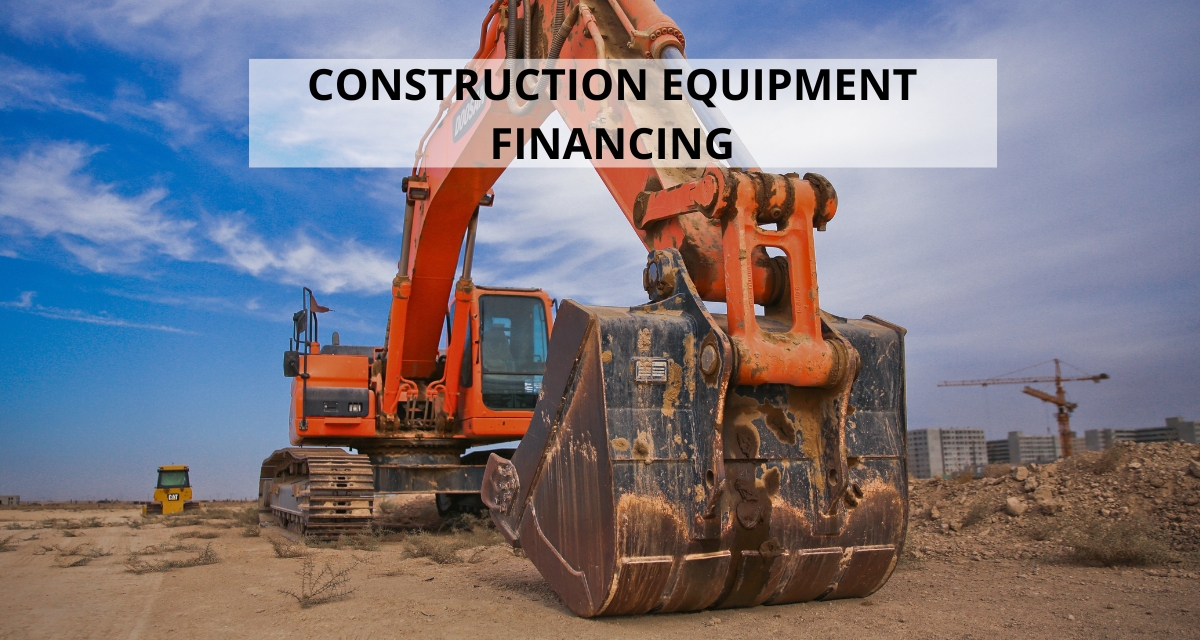
Heavy equipment is essential for construction: whether it’s excavation, material handling, concrete work, or demolition. Heavy equipment financing lets contractors get the machines they need without heavy upfront costs, keeping cash flow steady while aligning payments with project revenue. The result: access to modern equipment, greater efficiency, and the ability to take on bigger jobs with confidence.

How Heavy Equipment Is Used in Commercial Construction

  • Earthmoving & Excavationexcavators, bulldozers, trenchers for digging foundations, grading sites, and preparing land for buildings.
  • Material Handlingcranes, loaders, telehandlers for lifting and moving steel, lumber, and precast concrete.
  • Road & Surface Work (private projects) → graders, pavers, rollers for parking lots, industrial complexes, and private developments.
  • Demolitionexcavators with specialized attachments for tearing down old structures before new projects.
  • Concrete Work → mixers and pump trucks for commercial slabs, warehouse floors, and building foundations.
  • Drilling & Piling → rigs and pile drivers for deep foundations in commercial buildings and high-rises.

Why Financing Heavy Equipment Benefits Contractors

  1. Preserves Cash Flow – spread payments out instead of tying up capital.
  2. Matches Cost to Revenue – align equipment expenses with income from active projects.
  3. Access to Modern Machines – finance newer, more efficient equipment without delaying purchases.
  4. Avoids Large Upfront Costs – frees funds for payroll, materials, and operating expenses.
  5. Tax Advantages & Flexibility – potential deductions plus options to lease, own, or upgrade.
  6. Competitive Edge – the right equipment available on demand helps win bigger jobs and finish them faster.

Takeaway:
For commercial contractors, heavy equipment is essential to move, lift, dig, and build efficiently. Financing ensures that companies can get the equipment they need without draining cash reserves, keeping them competitive and project-ready.

Financing as a Sales Tool: Helping ERP Vendors Close Deals

Financing as an ERP Sales Tool

Financing as a Sales Tool: Helping ERP Vendors Close Deals

Selling ERP software isn’t just about the tech. It’s about helping your customers make a big investment in their business. And let’s be honest, a lot of buyers get stuck on the cost. Not just the software itself, but also the implementation and training costs that come with it. That’s where financing can make a big difference.

Whether you’re offering financing for Sage / SageIntacct financing, Odoo financing, NetSuite financing, Acumatica financing, Oracle ERP  or SAP ERP financing, it can make the difference between “yes” or “no”.

Make the ERP Investment Feel Manageable

An ERP project can easily hit six figures once you include software, implementation and training. Presenting that as one big upfront payment can scare buyers off. Instead, show them a monthly payment that covers everything. Suddenly, the project feels achievable, and price objections melt away.

Keep Your ERP Deals Moving

Many deals slow down because customers need time to find the budget or get approval. Offering financing upfront removes that hurdle. They can move forward now, get the system implemented quickly, and start seeing value sooner.

Stand Out from Competitors

When buyers are comparing ERP options, the software that feels easiest to buy often wins. Bundling financing with the full project costs (software, implementation, training and third-party vendors), makes adoption feel seamless and affordable. That’s a big advantage over competitors who don’t offer the same flexibility.

Make the Complete ERP Package Affordable

When monthly payments are manageable, customers are more willing to select the modules, features, and training programs they actually need, instead of cutting scope to save money. That means bigger deals for you and better results for them.

Build Long-Term Relationships

 Financing isn’t just about closing a single deal. It’s about supporting your customers’ growth. When you help them manage the full cost of their ERP project, you become more than a vendor. You become a trusted partner.

Why It Matters

Financing isn’t just an afterthought. It’s a powerful sales tool. When you position it early and make it part of the conversation, you make it easier for customers to say “yes” to the full ERP solution. Faster sales, bigger deals, and stronger customer relationships. It really is that straightforward.

📞 Want to explore your ERP financing options?
Contact Dimension Funding to learn how we can help you fund your ERP project.

Unlock the Power of Modern Legal Technology By Financing Legal Software

Legal Technology Financing

Unlock the Power of Modern Legal Technology By Financing Legal Software

At the heart of an efficient law firm lies robust legal software, especially legal case management software. But for many firms, the upfront cost can feel like a roadblock. That’s where financing comes in, offering a pathway to unlocking powerful technology without draining your capital.

Why Financing Legal Software Is The Smart Move

Here’s why financing your legal software, including implementation and training costs, is a smart move for your firm:

  1. Preserve Your Capital for What Matters Most: Investing in new software can be a significant expense, particularly the costs of implementation and training. Financing allows you to spread that cost over time, freeing up your firm’s cash flow for other operational needs, such as marketing initiatives, hiring top talent, or managing unexpected expenses. It’s about smart resource allocation, ensuring your firm remains agile and financially healthy.
  2. Access Cutting-Edge Technology, Sooner: The legal tech world is constantly evolving. Financing enables your firm to adopt the latest software technology solutions without delay. This means you can leverage advanced features like AI-powered analytics, automated document generation, and sophisticated time tracking right away, giving you a competitive edge and ensuring your firm isn’t left behind.
  3. Boost Efficiency and Productivity from Day One: Legal case management software is designed to streamline nearly every aspect of your practice, from client intake and document management to billing and calendaring. By financing this software, you can implement it immediately and start seeing the benefits of increased efficiency, reduced administrative burden, and improved organization. This translates directly into more billable hours and a more productive team.
  4. Improve Client Satisfaction and Communication: Modern legal software often includes client portals and communication tools that enhance transparency and responsiveness. Financing allows you to invest in these features, leading to clients who feel more informed and engaged. This can foster stronger client relationships and even lead to more referrals.
  5. Realize a Strong Return on Investment (ROI): While there’s an initial cost to software, the long-term benefits typically far outweigh the costs. Legal software can lead to significant cost savings by reducing manual errors, automating repetitive tasks, and improving billing and collection processes. These tangible benefits can lead to a stronger ROI, making financing a worthwhile investment in your firm’s profitability.
  6. Scale Your Practice with Confidence: As your firm grows, your needs will evolve. Cloud-based legal software, often accessed through a financed subscription, offers scalability, allowing you to easily add users, manage more cases, and adapt to increasing demands without major infrastructural overhauls. Financing supports this growth by making new technology accessible as you expand.

Conclusion

Financing legal software isn’t just about affording a purchase; it’s about making an investment in your law firm’s future. It empowers you to embrace innovation, optimize operations, and ultimately, build a more efficient, profitable, and client-centric practice. Don’t let upfront costs deter you from unlocking the power of modern legal technology.

Financing from companies, such as Dimension, can turn a large, upfront legal software purchase into monthly payments for up to 60 months. The financing can include the implementation and training costs including third-party consultants.

📞 Want to explore your Legal Software financing options?
Contact Dimension Funding to learn how we can help you fund your legal technology project.