
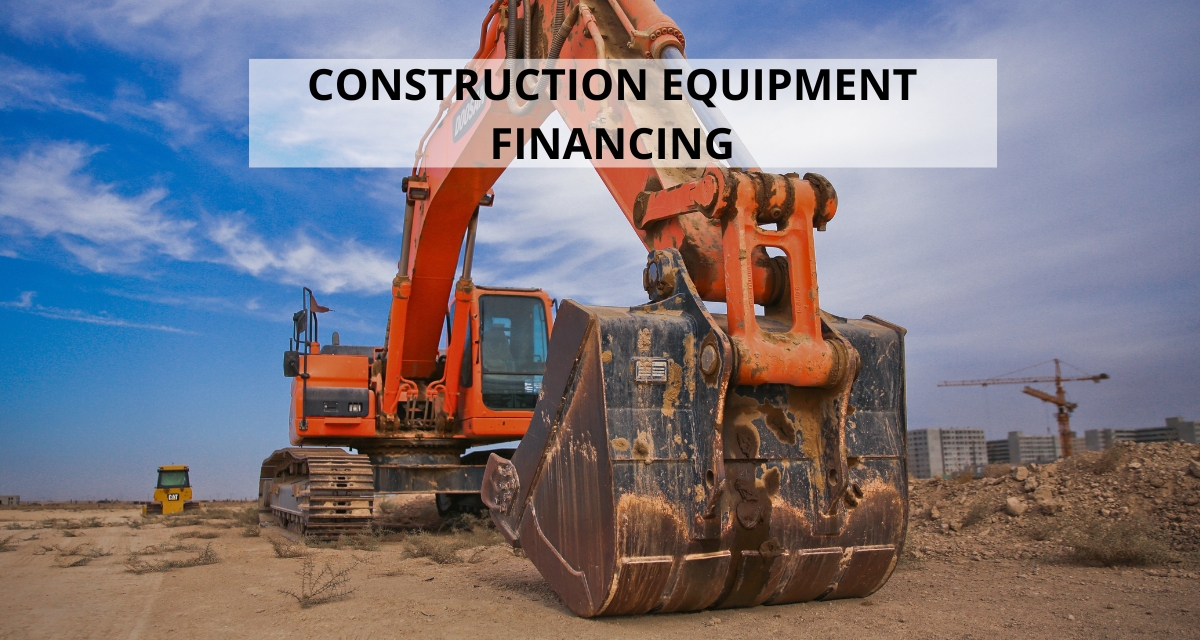
Construction Equipment Financing: Fund Excavators, Dozers & Machinery
A single excavator can run $100,000 to $500,000 — and most contractors need more than one. Paying cash for a full equipment fleet isn’t realistic for the majority of small and midsize construction companies, which is why equipment financing has become the standard model for acquiring machinery in the industry.
Dimension Funding has worked with construction businesses across the United States for over 40 years, providing financing for excavators, boom trucks, construction vehicles, and virtually every other category of commercial construction equipment.
What Construction Equipment Financing Is
Construction equipment financing allows contractors to purchase or lease heavy machinery while paying for it over time rather than in a lump sum. The equipment itself typically serves as collateral, which is a key reason approval rates for equipment loans are higher than for most other business lending categories — lenders carry a recoverable asset even in a default scenario.
Financing can cover the full cost of acquisition, including shipping, installation, and associated soft costs depending on the lender. Dimension Funding covers 100% of these costs, with application-only approval up to $250,000 and financing available up to $10M+.
Why Contractors Finance Equipment Instead of Buying Outright
Construction projects frequently face cash-flow constraints — labor and materials costs hit before client payments arrive, leaving working capital stretched thin. Tying up hundreds of thousands of dollars in equipment purchases compounds that problem significantly.
Financing allows contractors to deploy equipment on revenue-generating projects immediately while spreading the acquisition cost over the asset’s productive life. According to Reuters, U.S. companies increased equipment financing borrowing by approximately 5.7% year-over-year — a signal that businesses across sectors are consistently choosing financing over outright purchase.
Rising Equipment Costs Make Financing Essential
Construction machinery prices have increased steadily, driven by manufacturing input costs, supply chain pressures, and demand tied to infrastructure investment. Federal Reserve economic data tracks the rising cost of construction machinery — including excavators and cranes — highlighting how much capital contractors now need just to stay equipped for standard project types.
Financing converts what would be a large, one-time capital outlay into a predictable monthly payment, making it easier for contractors to bid on larger projects without overextending their cash position.
Equipment You Can Finance
Most construction financing programs cover a broad range of heavy machinery. According to Allied Market Research, the primary equipment categories used in construction include:
- Excavators and mini excavators
- Bulldozers and crawler dozers
- Wheel loaders and skid steers
- Cranes and boom lifts
- Dump trucks and haul trucks
- Backhoes and motor graders
- Concrete mixers and asphalt pavers
- Compactors and material handling equipment
Dimension Funding finances all of these categories, as well as boom trucks and construction vehicles, covering both new and used equipment.
Why Earthmoving Equipment Receives the Most Financing
Earthmoving machines — excavators, bulldozers, graders, and loaders — represent the largest financed equipment category in construction, per Research and Markets. These machines are required at nearly every stage of a construction project: site preparation, trenching, grading, road building, and infrastructure development.
Because they’re both essential and expensive, earthmoving equipment is where financing has the most immediate impact on a contractor’s ability to take on and complete projects.
Equipment Loans vs. Leasing for Construction Machinery
The two primary financing structures for construction equipment are loans and leases, and the right choice depends on how long a contractor plans to use the machinery and how they want to manage the balance sheet.
With an equipment loan, the contractor owns the machine outright once the loan is repaid. Loan payments are higher than lease payments, but the business builds equity in a long-lived asset — and for construction machinery that can remain productive for 10 to 20 years, ownership typically delivers stronger long-term value.
When Leasing Makes Sense for Contractors
Equipment leasing offers lower monthly payments and more flexibility at the end of the term — the contractor can return the equipment, renew, or purchase it. Leasing works well for machinery that may become outdated, for contractors who need equipment for a specific project cycle, or for businesses that prioritize cash-flow flexibility over ownership.
Industry data cited by Research and Markets shows that loans represent the largest segment of construction equipment financing, as most contractors prefer building equity in machines they use repeatedly across projects.
Qualification Requirements for Construction Equipment Financing
Lenders evaluate several factors when reviewing a construction equipment financing application. The most common criteria include business revenue, time in business, credit profile, and the value and condition of the equipment being financed.
Because the machinery serves as collateral, equipment financing is generally easier to qualify for than unsecured business loans. Dimension Funding accepts most credit types and offers application-only approval up to $250,000, meaning many contractors can secure financing without providing financial statements.
Can Startup Contractors Get Financed?
Newer construction businesses can qualify for equipment financing, though options narrow with limited operating history. The collateral-backed nature of equipment loans makes lenders more willing to work with younger businesses compared to other loan categories. Contractors with strong personal credit and a clear project pipeline are generally in a better position to secure approval.
How Infrastructure Investment Is Driving Equipment Demand
Infrastructure spending at the federal and state level continues to push construction activity — and with it, demand for the heavy equipment that makes large-scale projects possible. Yahoo Finance’s construction equipment industry report points to government construction programs and infrastructure expansion as primary drivers of sustained equipment demand.
Urbanization trends are compounding this further. According to PR Newswire’s analysis of the construction equipment market, earthmoving machinery forms the backbone of construction operations worldwide, and demand is expected to grow steadily at approximately 6% annually through the next decade.
For contractors, this environment creates both opportunity and pressure — more project volume is available, but so is competition for the equipment needed to pursue it.
Choose a Financing Partner That Knows Construction
Construction equipment financing isn’t a generic transaction — the machinery is expensive, the projects are time-sensitive, and the financing structure needs to match how contractors actually get paid. Dimension Funding brings over 40 years of experience financing construction equipment across the United States, with same-day approvals, terms up to 60 months, and coverage of 100% of equipment costs including shipping and installation.
Whether you’re financing a single excavator or building out a full equipment fleet, the team at Dimension Funding can walk you through your options with no pressure and no commitment required.
Frequently Asked Questions
How does construction equipment financing work?
Construction equipment financing allows contractors to purchase or lease heavy machinery through a loan or lease rather than paying the full cost upfront. The equipment serves as collateral, repayment terms typically run 24 to 60 months, and the contractor either owns the equipment at payoff or returns it at the end of a lease term.
What credit score is needed to finance heavy equipment?
Credit requirements vary by lender. Dimension Funding accepts most credit types and offers application-only approval up to $250,000. Contractors with stronger credit profiles will generally have access to a broader range of financing structures and term lengths.
Can startups finance excavators or bulldozers?
Yes, though options are more limited for businesses with less than two years of operating history. Because the equipment itself serves as collateral, newer businesses have a better chance of qualifying for equipment financing than for unsecured loans. Strong personal credit and a clear project pipeline improve approval odds significantly.
What down payment is required for construction equipment financing?
Down payment requirements vary by lender and deal structure. Some programs — including certain options through Dimension Funding — require no down payment, while others may require 10% to 20%, depending on the borrower’s credit profile and the equipment being financed.
What terms are typical for heavy equipment loans?
Repayment terms for construction equipment financing typically range from 24 to 60 months. Dimension Funding offers terms up to 60 months with fixed monthly payments, allowing contractors to align repayment with their project revenue cycles.
Can used construction equipment be financed?
Yes. Most lenders, including Dimension Funding, finance both new and used construction equipment. The age, condition, and resale value of the equipment will factor into the lender’s underwriting, but used machinery is commonly financed across all major equipment categories.
Is leasing construction equipment better than financing?
It depends on how long the contractor plans to use the equipment and their cash-flow priorities. Loans are generally better for long-lived machinery that will stay in service for many years. Leasing offers lower monthly payments and more flexibility, making it a stronger fit for project-specific equipment needs or businesses prioritizing cash-flow management.
If you want to upgrade your tasting room or winery equipment, financing from Dimension can help. Turn a large, upfront cost into monthly payments over the lifetime of the equipment. Financing winery equipment can expand your business while maintaining your cash flow.