

Rethinking the Tasting Room: Designing Experiences That Drive Loyalty and Lifetime Value
For decades, the tasting room formula was simple: pour wine, talk about soil, sell a bottle (or six), repeat. And for a long time, that worked just fine. Today, however, consumers expect more than a splash, a swirl, and a polite nod while pretending to detect “hints of forest floor.”
The modern tasting room is no longer just a sales counter with better lighting. It is a brand experience and, increasingly, a long-term revenue driver.
From Tasting to Experiencing
Wine consumers, especially younger demographics, are not just buying a product. They are buying a story, a feeling, and ideally, a reason to come back. A standard flight and a laminated tasting sheet rarely create that kind of emotional connection.
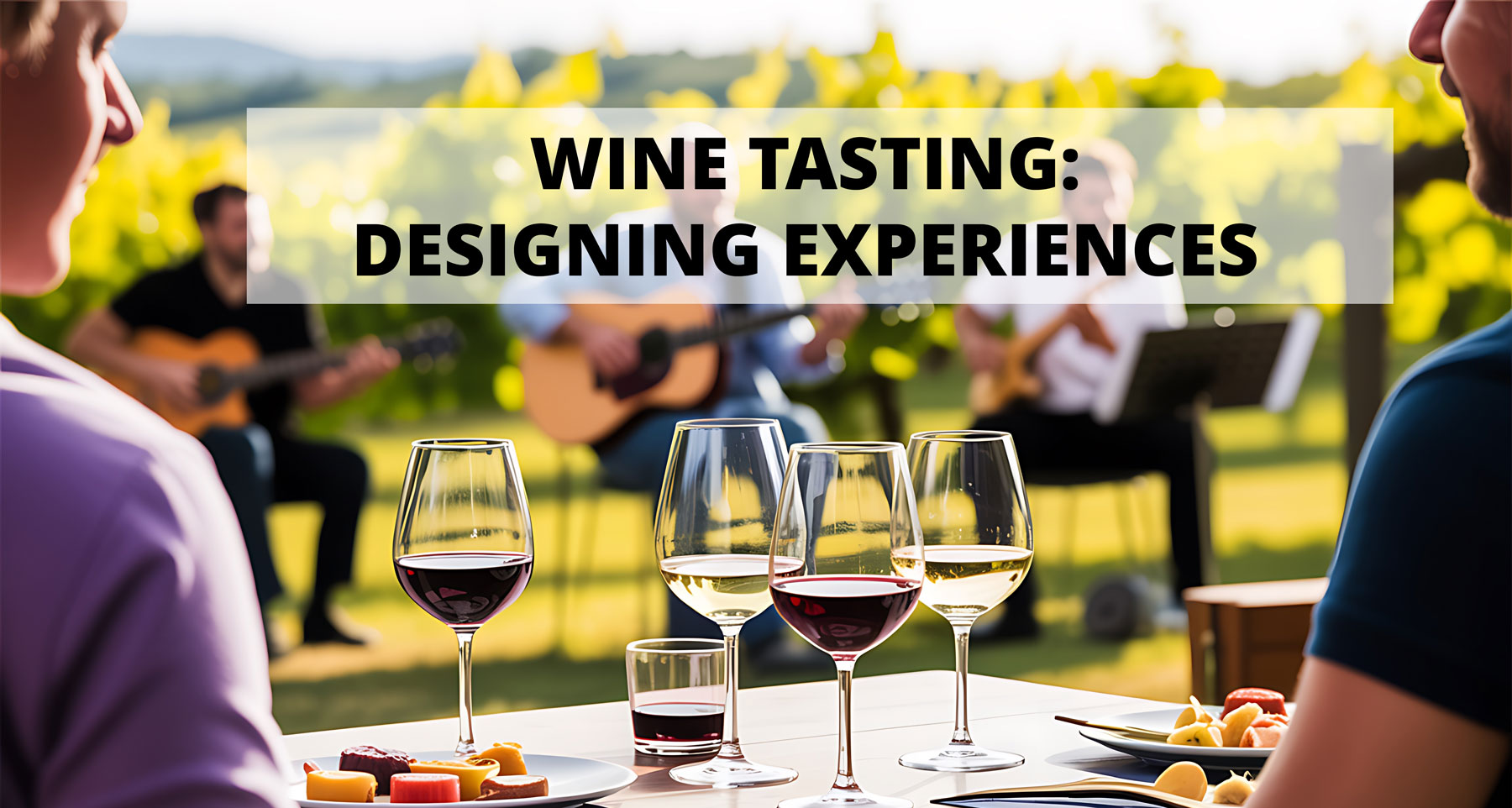
Wineries that are rethinking the tasting room are focusing on interactive, immersive experiences: guided tastings with real conversation, behind-the-scenes vineyard or cellar access, blending workshops, food pairings, seasonal events, or even non-wine activities that still reinforce the brand. The goal is not to entertain for entertainment’s sake, but to create a memory that lasts longer than the buzz.
Personalization Beats Perfection
The most effective tasting rooms are not necessarily the most expensive or elaborate. They are the most personal. Guests want to feel seen, not processed.
Simple changes such as remembering a guest’s name, asking what they actually like to drink, and tailoring a pour based on preferences go a long way. Not everyone wants a 15-minute lecture on malolactic fermentation. Some people just want a great glass of wine and a reason to join the club.
And yes, it is perfectly acceptable to read the room. If a guest is clearly there for a relaxed afternoon and not a master class, that is valuable information.
Designing for Loyalty, Not Just the Day’s Sales
A tasting room focused solely on bottle sales is leaving money on the table. The real value lies in what happens after the visit.
Experiences should naturally lead guests toward wine clubs, subscriptions, mailing lists, and future events, not through pressure, but through enthusiasm. When the visit feels authentic and enjoyable, loyalty follows. When it feels transactional, guests remember the wine but forget the winery.
In other words, people rarely join a club because they were asked. They join because they felt like they belonged.
Humor Helps. So Does Humanity.
Wine can be intimidating. A tasting room should not be.
A little humor, warmth, and approachability go a long way in lowering barriers and making guests comfortable. It is okay to admit that not every wine needs a poetic description, or that tasting notes are sometimes subjective at best. The more human the experience feels, the more likely guests are to trust the brand, and trust sells.
The Bottom Line
The tasting room is no longer just a place to pour wine. It is one of the most powerful tools wineries have to build loyalty, differentiate their brand, and increase lifetime customer value.
Wineries that invest in experiences, not just infrastructure, are better positioned to turn first-time visitors into long-term advocates. And in a competitive market, that kind of relationship is worth far more than a single bottle sale.
After all, great wine brings people in. Great experiences bring them back.
If you want to upgrade your tasting room or winery equipment, financing from Dimension can help. Turn a large, upfront cost into monthly payments over the lifetime of the equipment. Financing winery equipment can expand your business while maintaining your cash flow.